
5 Reasons Why Basement Finishing Requires More Than Just Cosmetic Work
The allure of a beautifully finished basement is undeniable, yet achieving a truly successful space requires looking far beneath the surface. Many homeowners view basement finishing as a simple matter of paint and flooring, but the subterranean nature of the space introduces complex variables. A high-quality renovation must address structural integrity, environmental safety, and advanced mechanical systems to ensure the area is both livable and durable. By focusing on the foundational health of the room before the aesthetic details, you protect your investment from the unique pressures of below-grade construction.
Prioritizing Structural and Foundation Integrity
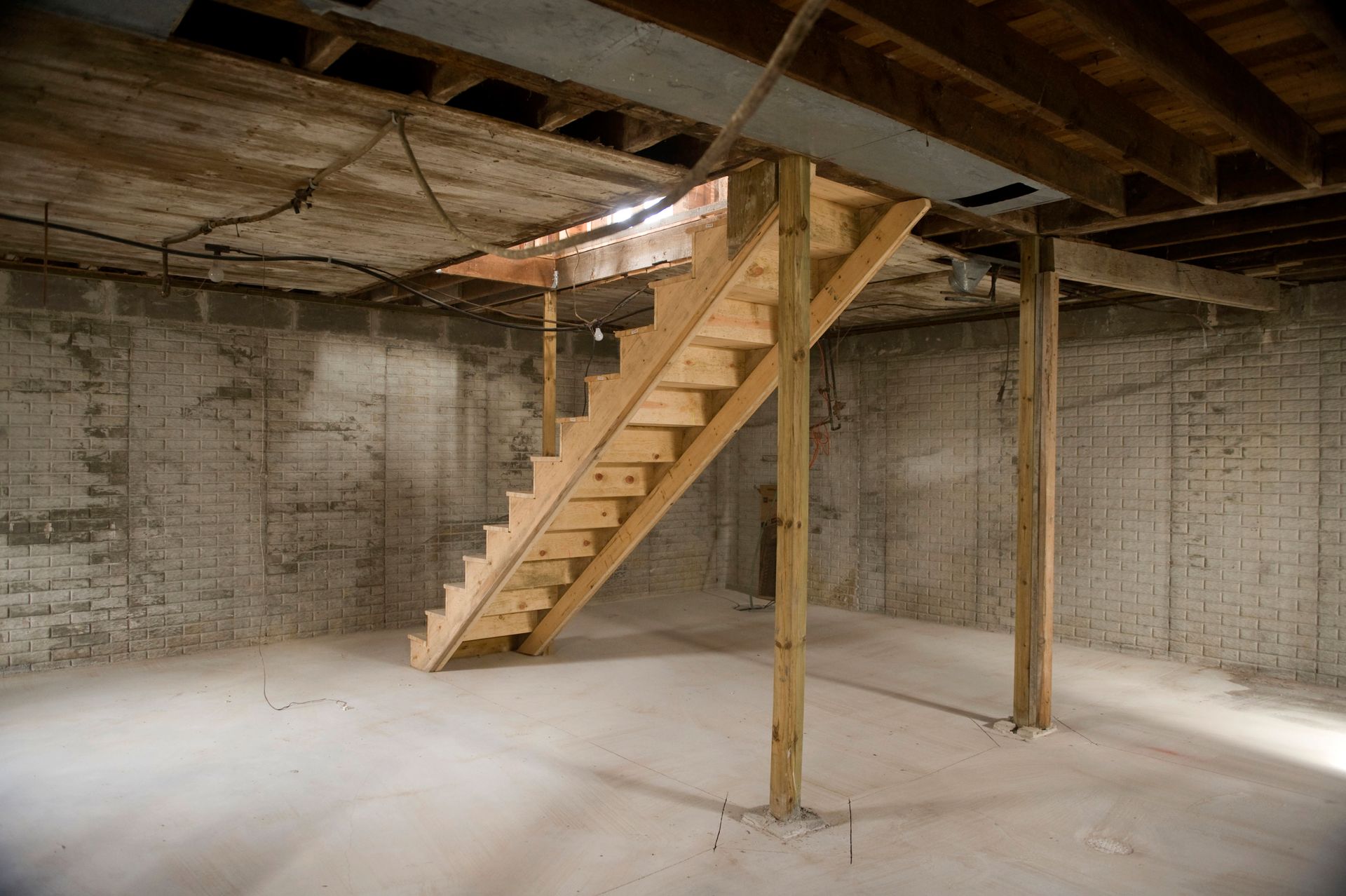
Before any studs are framed, the structural health of the foundation must be the primary focus. Basements are the literal base of your home, and any existing cracks in the walls or floors can signal significant underlying issues. Ignoring these defects during the basement finishing process is a recipe for disaster, as structural movement can eventually crack new drywall and pop floor tiles. A professional evaluation ensures that load-bearing columns and foundation walls are reinforced, providing a stable canvas for the upcoming cosmetic enhancements. This phase is about securing the "bones" of the room to prevent costly remedial work in the future.
Ceiling height is another structural hurdle that often requires creative engineering rather than just clever design. To meet modern building codes for a legal living space, you may need to reroute low-hanging ductwork, plumbing lines, or electrical conduits. In older homes with particularly shallow foundations, some homeowners even choose to excavate the floor to gain the necessary clearance. These structural adjustments are intensive but necessary to ensure the basement feels spacious and open rather than cramped. Proper planning at this stage allows for a natural flow between levels, making the transition from the main floor feel intentional and harmonious.
Managing Moisture and Waterproofing Effectively
Moisture is the single greatest threat to a finished lower level, making a robust waterproofing strategy essential. According to Money.com, 60% of basements are wet, which means the odds are stacked against a renovation that doesn't prioritize drainage. Identifying potential leaks and installing high-performance sump pumps and interior drain tiles are preemptive strikes against water intrusion. Without these invisible barriers, high-end carpets and custom cabinetry are at constant risk of mold, mildew, and rot. Effective water management creates a "dry envelope" that allows for a wide range of sensitive finish materials to be used safely.
Humidity control is equally important, as below-grade air naturally tends to be more damp and stagnant. Even with a perfectly sealed foundation, moisture from the air can condense on cold walls, fueling fungal growth behind the drywall. Implementing a dedicated dehumidification system and utilizing water-resistant materials, such as mineral-based insulation and mold-resistant wallboard, is critical for maintaining air quality. These choices provide an extra layer of defense, ensuring that the space remains healthy and smells fresh. By treating humidity as a structural enemy, you preserve the life of your furniture and the health of your family.
Optimizing Energy Efficiency and Insulation
The thermal performance of a basement differs significantly from the rest of the home due to the constant temperature of the surrounding earth. High-quality basement finishing requires insulation that can handle potential moisture while preventing "thermal bridging," where heat escapes through the concrete. Rigid foam or spray foam insulation is often preferred over traditional fiberglass because they act as a vapor barrier and won't lose its R-value if they get damp. This thermal shield keeps the space warm in the winter and cool in the summer, significantly reducing the load on your home's HVAC system and lowering your utility bills.
To truly achieve comfort, you must also address the mechanical distribution of air. Adding supply and return vents specifically for the basement prevents the common problem of "dead zones" where air becomes stale or cold. In many cases, a dedicated mini-split system or radiant floor heating provides the most consistent temperature control for subterranean environments. These energy-saving solutions ensure that the basement is as comfortable as the living room, encouraging regular use of the space. Investing in high-efficiency windows and weather-stripped doors further seals the area, creating a quiet, thermally stable retreat that enhances the entire home's performance.
Addressing Safe Electrical and Plumbing Systems
The technical infrastructure of a basement renovation requires careful coordination to meet modern safety standards. Plumbing upgrades are often the most complex, especially when adding a bathroom or a wet bar below the main sewer line. This usually necessitates a sewage ejection pump or specialized macerating toilets to move waste upward efficiently. Ensuring these systems are correctly integrated into the existing framework is a fundamental part of basement finishing that prevents messy backups and odors. Proper plumbing planning during the early stages allows for a much broader range of functional uses for the new space.
Electrical wiring also poses unique challenges in below-grade environments. All circuits must be protected by Ground Fault Circuit Interrupters (GFCI) to prevent shock in potentially damp areas, and the entire layout must accommodate the specific power needs of home theaters or kitchenettes. A foresightful design includes "future-proofing" with extra outlets and data lines, acknowledging that technology and your family's needs will evolve. Smart home integration can further enhance the utility of the space, allowing you to control lighting and climate via your smartphone. These technical details provide the backbone for a high-tech, functional room that stays relevant for years to come.
Designing for Safety and Code Compliance
A legal and safe basement conversion must prioritize emergency egress and fire safety above all else. Building codes strictly mandate that any habitable room, especially a bedroom, must have a direct exit to the outside, typically through an egress window or an external door. These installations are major structural tasks that require cutting through foundation concrete and installing drainage wells, but they are non-negotiable for life safety. These exits also provide much-needed natural light, helping to strip away the typical "basement feel" and making the space feel more like a primary living area. Safety is the ultimate foundation of a successful renovation.
Fire safety measures, such as interconnected smoke alarms and fire-rated drywall on ceilings, are equally critical for protecting your family. Because fire moves upward, the basement must be designed to contain a potential hazard long enough for occupants to escape. This focus on compliance ensures that your basement finishing project adds genuine value to your home rather than creating a liability. Incorporating universal design principles- like wider doorways and non-slip flooring- further increases the accessibility and safety of the space for guests of all ages. By building to the highest standards, you create an inclusive, secure environment that enhances your property's overall worth and livability.
Successfully transforming a lower level involves a deep commitment to structural, mechanical, and safety standards that far exceed cosmetic updates. By addressing waterproofing, thermal control, and legal egress first, you build a foundation of quality that supports your aesthetic vision. This comprehensive approach ensures that your new room remains a dry, comfortable, and valuable part of your home for decades. Whether you are creating a home gym, a guest suite, or a family lounge, the invisible work you do now is what makes the finished result truly shine. For more information about the services that we offer, reach out to our incredible team at Blue Ladder Basements today!







Share On: